Croatia is a beautiful country in Southern Europe that many people still don’t know much about. However, it has a lot to offer—clear blue waters, lovely towns, islands, beaches, and even mountains.
It’s a great place to visit if you enjoy history, good food, and relaxing by the sea. You can explore old cities, try local dishes and wine, or just enjoy the views. Croatia is the perfect mix of fun, culture, and relaxation.
More and more people are starting to visit—and it’s easy to see why!
In this blog, we’ll highlight 10 must-visit destinations in Croatia—plus helpful tips on the best times to go, what to eat, how to get around, the best places to stay, and other travel advice to help you plan the perfect trip.
Note: This post contains affiliate links, meaning I may earn a small commission at no extra cost to you. Thank you for supporting Nomadyssey! See our disclosure page for more details.
Why Visit Croatia
Croatia is a beautiful country that has something for everyone—historic cities, stunning nature, and a rich culture. From the old streets of Dubrovnik to the waterfalls of Plitvice Lakes, every place has a story to tell.
Once a hidden gem, Croatia is now a top travel destination. It’s known for its seaside towns, impressive architecture, and many UNESCO World Heritage Sites. While prices have risen a bit, they’re still lower than most of Europe, and the quality is excellent.
Whether you’re into adventure, history, or great food, Croatia is a place you’ll never forget—and one you’ll want to visit at least once in your life.
Best Time to Visit Croatia
The best time to visit Croatia depends on what you want to do during your trip.
Summer (June to August)
If you love the beach and warm, sunny weather, summer is the perfect time to visit. This is peak tourist season, so expect crowds and higher prices—but it’s great for swimming, sunbathing, and island hopping.
Spring (April to June) and Fall (September to October)
These shoulder seasons are ideal if you want pleasant weather, fewer tourists, and better prices. It’s a great time for sightseeing, exploring ancient cities, visiting national parks, and enjoying outdoor activities like hiking or biking.
Winter (November to March)
Winter is the quietest season, but it offers a unique experience. Cities like Zagreb come alive with festive Christmas markets and seasonal events. While beach weather is out, it’s a cozy time to explore Croatia’s cultural side.
Top 10 Places to Visit in Croatia
1. Dubrovnik
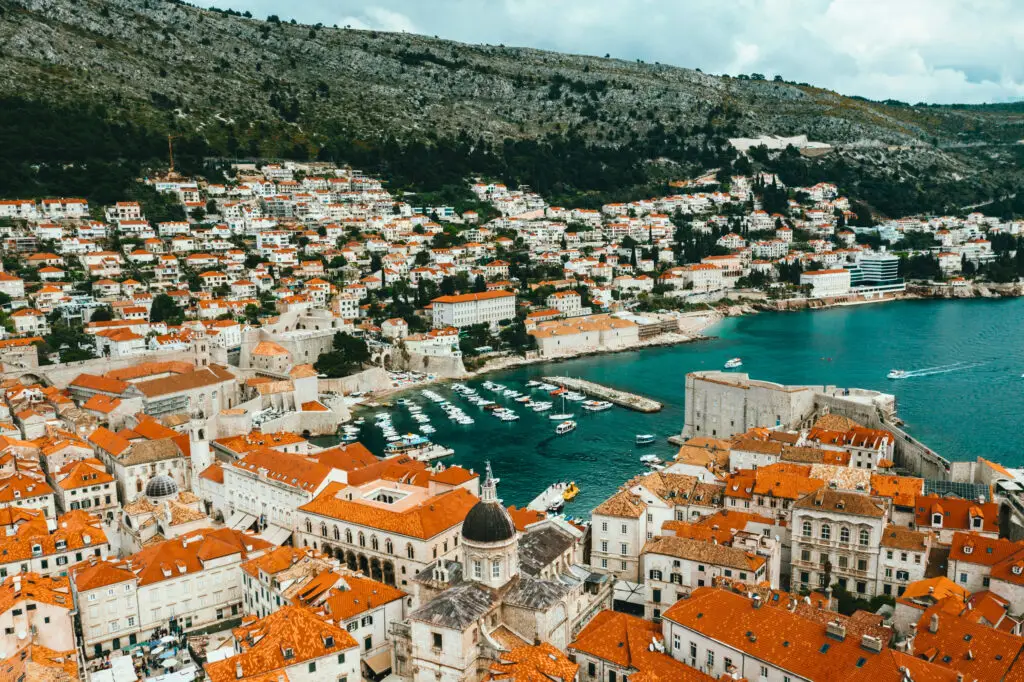
Dubrovnik’s Old Town is a UNESCO World Heritage Site and one of Croatia’s top tourist spots, known for its baroque architecture, narrow cobblestone streets, and well-preserved medieval buildings.
The Old Town is pedestrian-only, making it perfect for exploring on foot. You can wander through shops, cafes, and restaurants or visit museums and art galleries.
A highlight is the Dubrovnik City Walls, built in the 13th century. These stunning fortifications offer spectacular views of the city and Adriatic Sea. Walking the walls or taking a boat tour provides a unique perspective of the area.
Dubrovnik became even more famous as the filming location for King’s Landing in Game of Thrones, attracting fans from around the world. Even without the pop culture fame, the city’s culture, history, and architecture make it a must-see.
Don’t miss the Sponza Palace, Rector’s Palace, or a cable car ride to Mount Srđ for panoramic sunset views.
2. Split
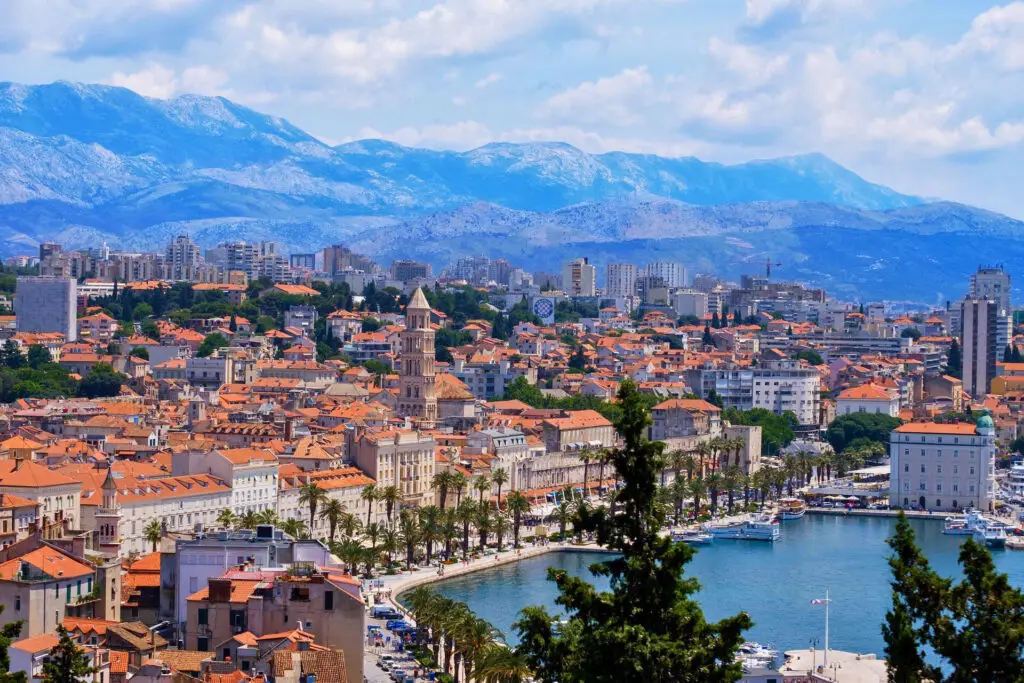
Split is Croatia’s second-largest city and a must-visit destination on the Dalmatian Coast. It’s a great mix of ancient history, scenic views, and laid-back vibes.
At the heart of Split is Diocletian’s Palace, one of the most famous landmarks in Croatia and a UNESCO World Heritage Site. Built in the 4th century AD by the Roman Emperor Diocletian as his retirement home, the palace is a stunning example of Roman architecture.
Today, the palace is a lively part of the city, filled with shops, cafes, and historic sites like the Cathedral of Saint Domnius, the Vestibule, and the Temple of Jupiter. Exploring its narrow stone streets feels like stepping back in time.
Just a short walk from the Old Town is Marjan Park, a large forested area known as the “lungs of Split.” Founded in 1573, it’s one of the oldest and largest parks in Croatia, covering over 130 hectares (320 acres).
Locals and visitors love Marjan for walking, running, biking, or simply relaxing in nature. The park also has several scenic viewpoints perfect for watching the sunset over the Adriatic Sea.
About 20 minutes from Split, you’ll find Klis Fortress, a medieval stronghold perched on a rocky hilltop. Originally built by the Illyrians, this fortress offers panoramic views of Split and the Dalmatian coastline.
It’s another popular filming location for Game of Thrones, and there’s a small museum on-site showcasing artifacts from its long history. It’s a great spot for history lovers and photographers alike.
3. Plitvice Lakes National Park
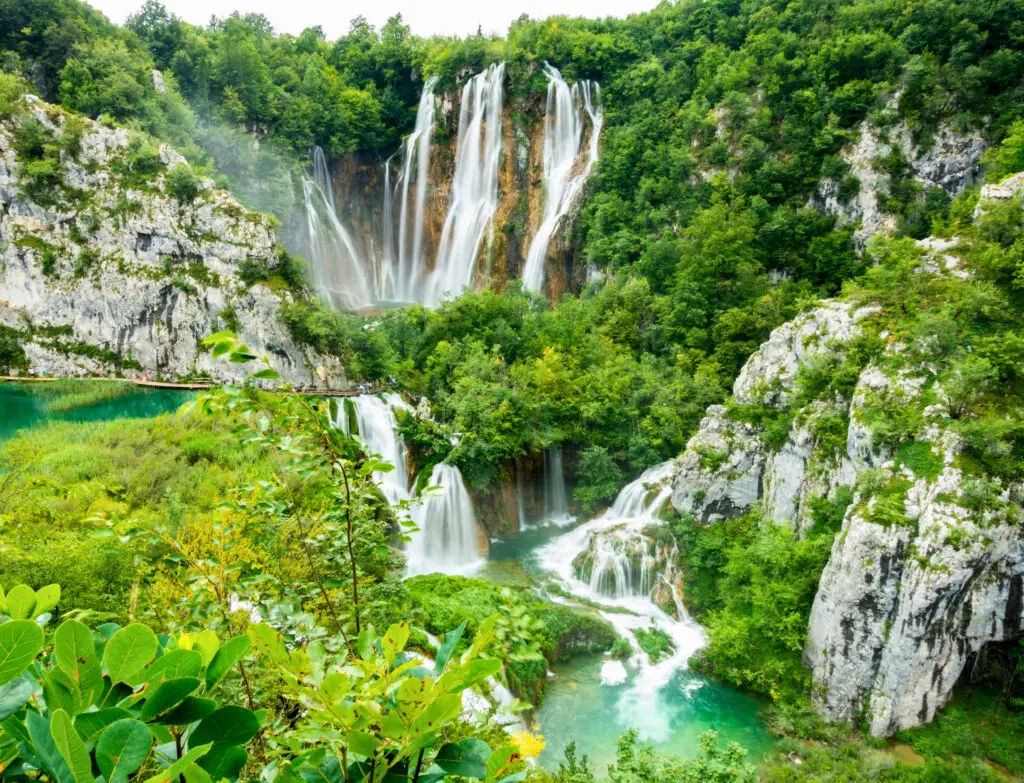
Plitvice Lakes National Park is one of Croatia’s most breathtaking natural wonders. It’s a UNESCO World Heritage Site, known for its cascading waterfalls, crystal-clear lakes, and lush forests. The park has 16 interconnected lakes, linked by streams and rivers. Wooden pathways and bridges let you get up close to the turquoise waters and stunning falls. It’s a paradise for nature lovers and photographers.
The best time to visit depends on what you’re looking for. Spring brings lush greenery and rushing waterfalls. Autumn offers beautiful fall colours and fewer crowds. Summer is great for boat rides and seeing the lakes at their fullest, though swimming is not allowed. In winter, the park turns into a snowy wonderland with frozen waterfalls and quiet trails.
4. Hvar Island
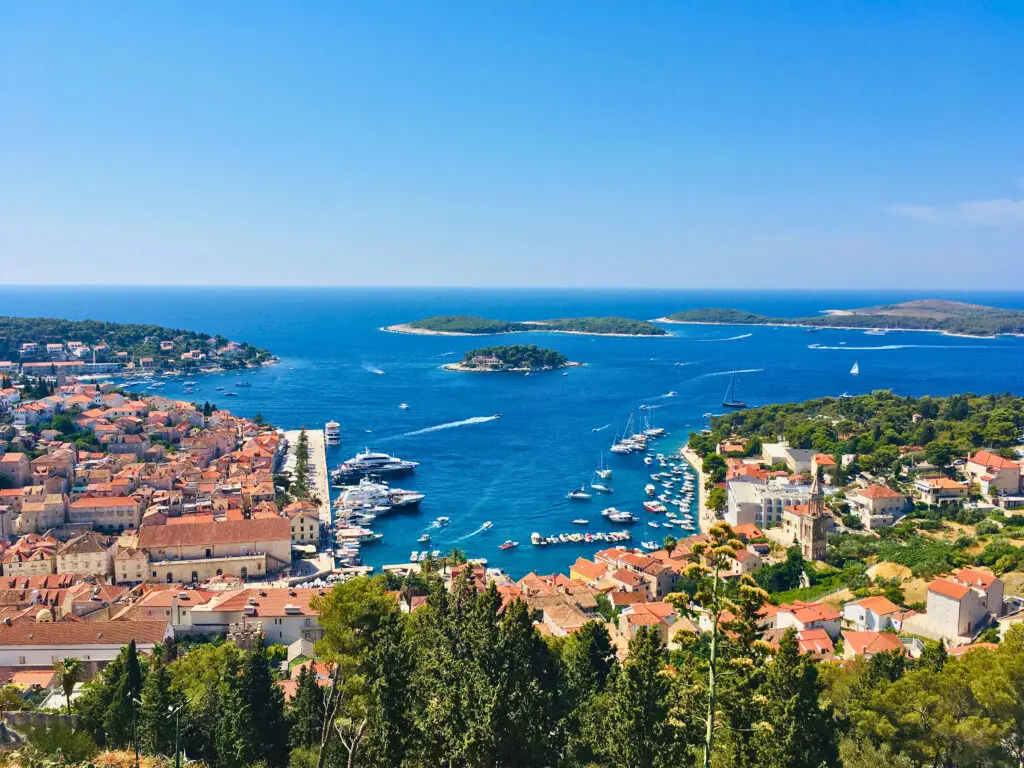
Hvar is one of the most popular islands in Croatia, especially for those seeking a mix of relaxation and natural beauty. Located off the Dalmatian Coast, Hvar is known for its stunning beaches, rolling vineyards, and fragrant lavender fields.
You can reach Hvar by ferry from Split (1–2 hours depending on the route) or from Dubrovnik (about 3 hours). Once you arrive, you’ll quickly fall in love with the island’s laid-back atmosphere and scenic views.
Hvar Town, the island’s main hub, is a must-visit. Renowned for its lively nightlife, beautiful beaches, and historical sites. Hvar Town boasts a stunning harbor, lovely restaurants, and ancient fortresses. During the day, you can relax at the beach, and by night, enjoy the nightlife in the town’s many bars and clubs.
If you have more time, spend at least two days on the island to enjoy everything it has to offer. Be sure to rent a scooter to explore the island’s hidden coves and enjoy a glass of local wine along the way.
Don’t miss Stari Grad, one of the oldest towns in Croatia. It’s a quieter, more peaceful place that gives you a glimpse into the island’s long history.
5. Zadar
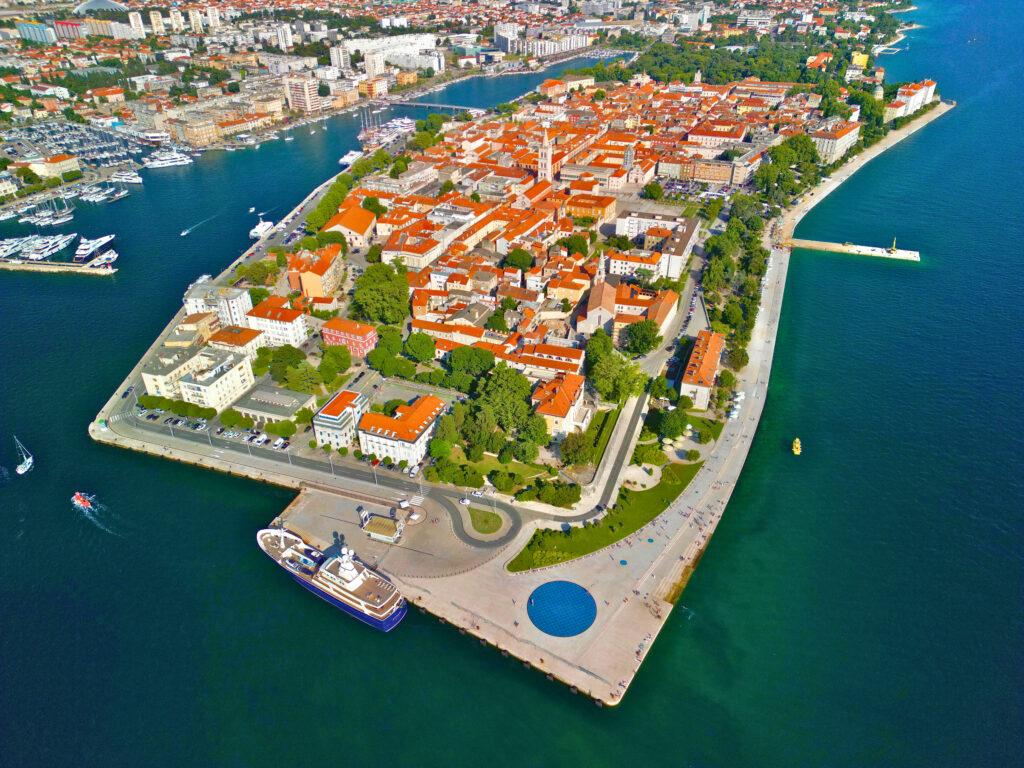
Located in the northern part of the Dalmatian Coast, Zadar is one of Croatia’s oldest and most fascinating cities. While it’s steeped in history, it offers a more laid-back atmosphere compared to larger Croatian destinations like Dubrovnik and Split, making it perfect for travelers seeking a quieter experience.
Zadar’s Old Town is over 3,000 years old and packed with history—think Roman ruins, ancient churches, and medieval buildings. But Zadar has more to offer than just history. Its pristine coastline, affordable accommodations, and lively nightlife make it a great option for solo travelers. You’ll find plenty of entertainment without the overwhelming crowds found in larger cities.
One of Zadar’s most unique features is its Sea Organ, located along the waterfront. This fascinating installation produces music through the movement of the sea, creating a one-of-a-kind sound experience at sunset. Don’t miss this special moment while in the city!
Additionally, Zadar is a great base for exploring nearby national parks and enjoying the natural beauty of the region.
6. Rovinj
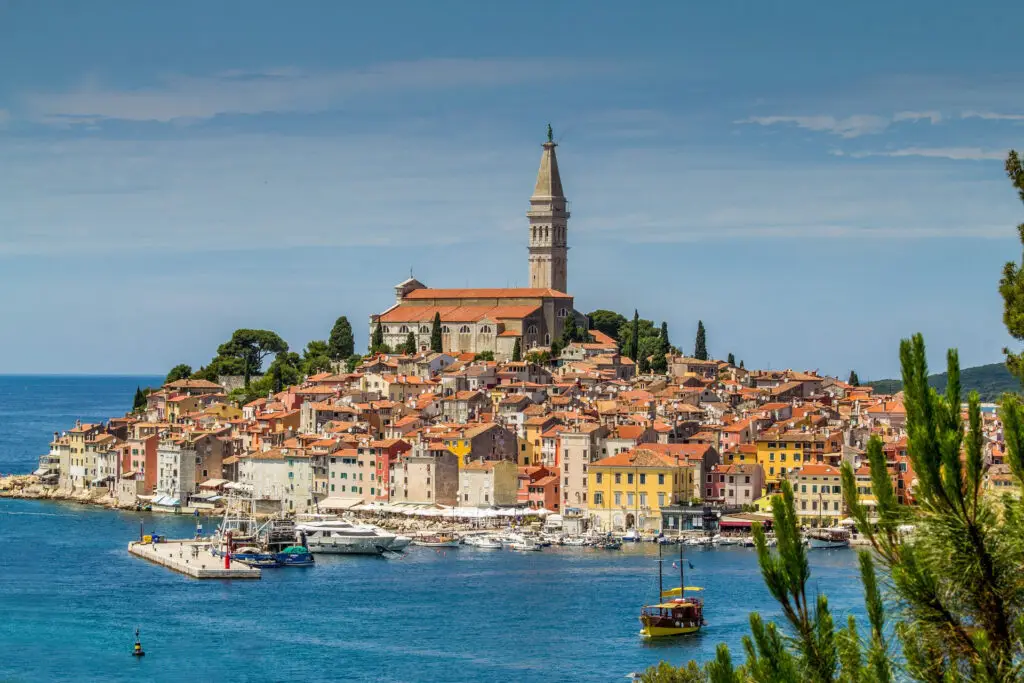
Rovinj’s Old Town is full of character, with narrow marble streets, pastel houses, and Venetian-style buildings. It was once an island until a canal was filled in back in 1763. Today, its colorful buildings and lively streets make it a great place to explore on foot, with history around every corner.
The Church of St. Euphemia is another highlight, with its bell tower offering great views. The church is dedicated to Saint Euphemia, a Christian martyr, and her relics are kept inside.
You’ll also spot Venetian lions around the Old Town, marking the city’s historical ties to the Venetian Republic. These can be found on landmarks like the Balbi Arch and the clock tower.
Nearby islands offer peaceful day trips with secluded beaches and scenic landscapes, making them a great escape from the town.
7. Korčula Island
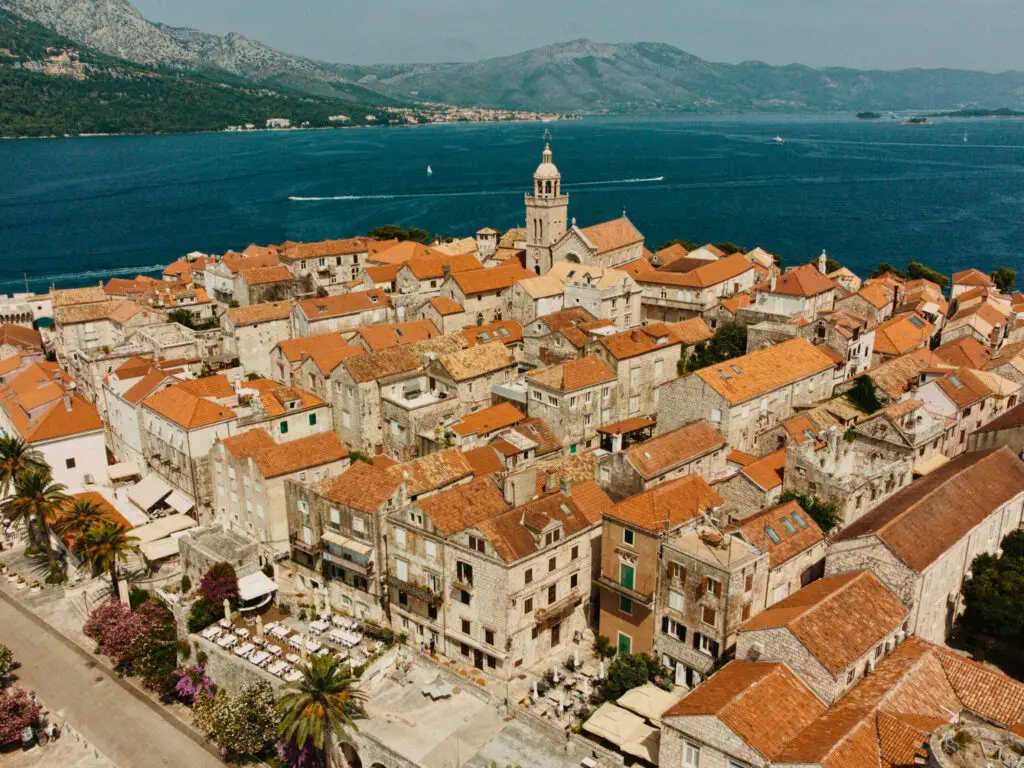
Korčula Island, thought to be the birthplace of Marco Polo, is packed with history and amazing views. The main town, also called Korčula, has medieval streets, old stone buildings, and charming walls. You can stroll through the town, visit the Marco Polo Museum, and enjoy the views from the city tower.
Korčula’s local wine is a must-try, especially the Grk and Pošip varieties. Outside the town, you can find quiet beaches, clear waters, and cool spots for swimming, kayaking, or paddleboarding. Rent a bike to explore the island’s villages and scenic coastal roads.
For nature lovers, Korčula has lush olive groves, and you can visit the Kopačevo Nature Park, a peaceful spot for hiking with stunning views and wildlife. The island’s diverse landscapes make it perfect for exploring both land and sea.
8. Pula
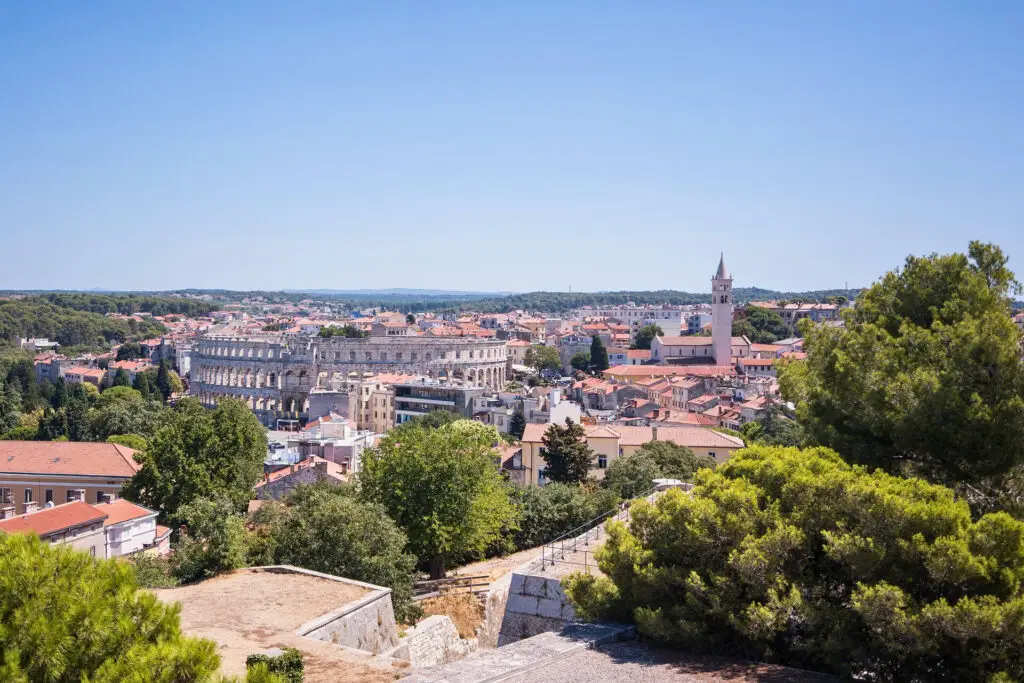
Pula is the largest city in Istria and a great place to see ancient Roman history up close. Its most famous landmark is the Pula Arena, one of the best-preserved Roman amphitheaters in the world. It’s still used today for concerts and events, making history feel alive.
As you stroll through the quiet streets filled with small, picturesque buildings, the arena suddenly appears—an impressive surprise in the middle of town. Just a few blocks away is Kastel Fortress, a star-shaped fort built by the Venetians that now holds the Historical and Maritime Museum of Istria.
You’ll also find other Roman sites like the Temple of Augustus and the Arch of the Sergii, all adding to Pula’s historic charm. Despite all its landmarks, the city doesn’t feel overly touristy, which makes it a relaxed and interesting place to visit.
9. Sibenik
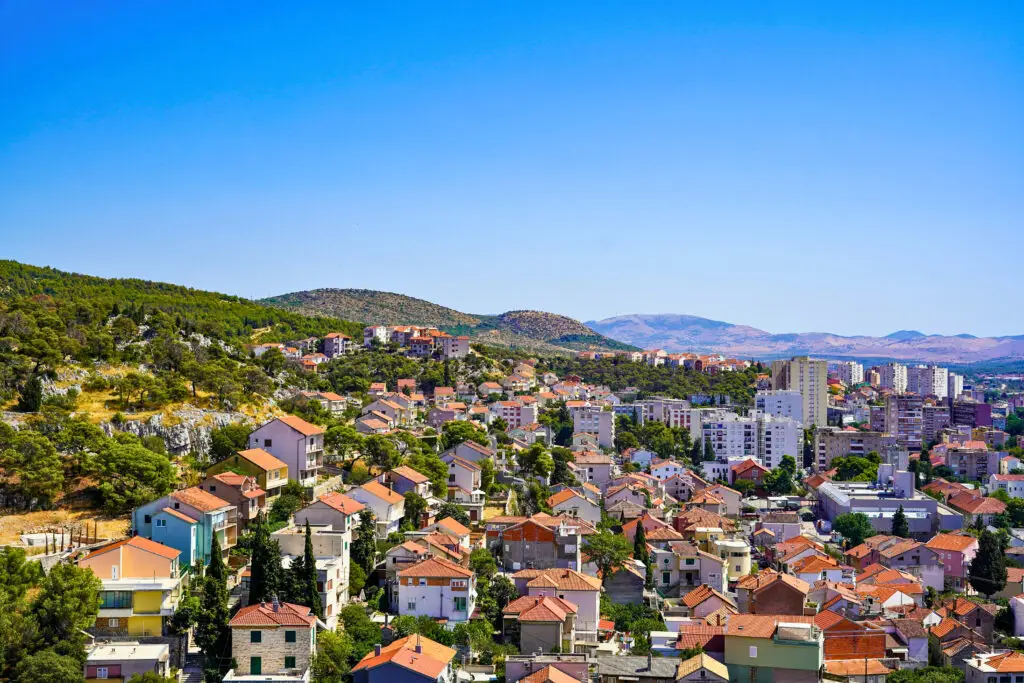
Šibenik is a beautiful town on Croatia’s Adriatic coast, perfect for travelers looking for history, nature, and fewer crowds. It’s home to two UNESCO World Heritage Sites: the impressive St. James Cathedral and the coastal St. Nicholas Fortress. These historic landmarks make Šibenik a great stop for anyone interested in architecture and culture.
The old town is steeped in history, with narrow stone streets, historic churches, and four medieval fortresses offering amazing views. Just outside the city, you can explore Krka National Park, where you’ll find stunning waterfalls and nature trails—an ideal day trip.
Šibenik also has a great food scene. The Michelin-starred restaurant Peligrini serves local dishes with a creative twist, right beside the cathedral.
Plan to spend at least three to four days in Šibenik to take it all in. It’s a peaceful, authentic destination that’s perfect for a slower pace and a deeper connection to Croatian culture.
10. Osijek
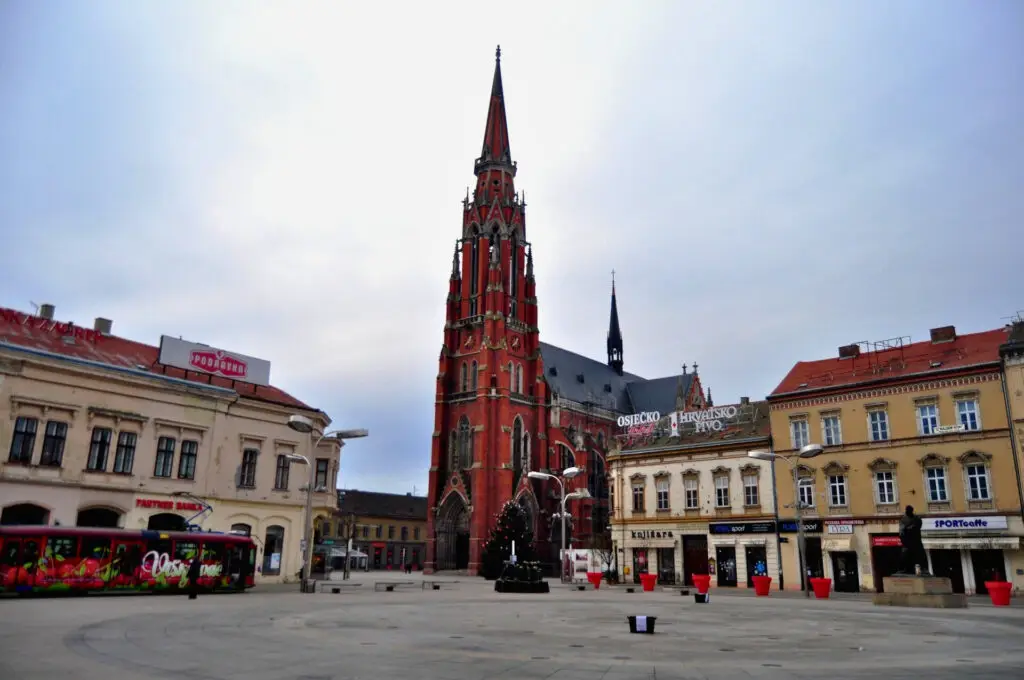
Osijek is the biggest city in eastern Croatia, and a total hidden gem. It’s got a chill, authentic vibe since it’s not packed with tourists, so you can really soak up the local culture. Wander through the historic Tvrđa fortress, walk along the peaceful Drava River promenade, and enjoy the mix of old buildings and cool street art.
Food lovers will be into the hearty Slavonian dishes and local wines (don’t miss the kulen and Graševina). Nature’s close by too—Kopački Rit Nature Park is just outside the city and perfect for spotting birds or taking a relaxing boat ride.
With friendly locals, great festivals, and a laid-back pace, Osijek is an underrated stop you’ll be glad you added to your Croatia itinerary.
Where to Stay in Croatia
If you’re planning a trip to Croatia, staying in the main cities like Zagreb, Dubrovnik, Split, and Hvar is a great way to make sure you can easily explore all the amazing spots on your list. These cities are well-connected to other popular destinations, so whether you’re looking for history, beaches, or beautiful scenery, you’ll have it all within easy reach. Plus, many of the top attractions are right in the cities, or just a short trip away!
So, if you’re wondering where to stay in Croatia, here are some of the best places in each of the country’s main cities. No matter what your budget is, there’s a perfect place for you to relax and make the most of your time in this beautiful destination.
Zagreb
Here are three highly-rated accommodations in Zagreb, each offering a unique experience to suit different preferences and budgets:
City Centre Dream place (Budget-Friendly)
Located in Zagreb’s Lower Town, just a short walk from major attractions.
Met Boutique Hotel (Mid-Range)
Located in central Zagreb, features a terrace, restaurant, and bar. The 5-star hotel offers modern rooms with air conditioning, flat-screen TVs, coffee machines, and city views, all just steps from top attractions.
Esplanade Zagreb Hotel (Unique Stay)
A luxury, historic hotel near the main train station. It offers elegant rooms, two restaurants, a spa, and is close to attractions like Zrinjevac Park.
Dubrovnik
Dubrovnik offers a variety of accommodations to suit different preferences and budgets. Here are three highly-rated options in excellent locations:
Guest House Maria Bilicic (Budget-Friendly)
A family-run stay just a short walk from Dubrovnik’s Old Town. Cozy rooms, a peaceful garden, and a welcoming host make it a great budget-friendly choice.
Dubrovnik Dream Apartments (Mid-Range)
Located in the heart of the Old Town, it offers a central and convenient base for exploration.
Prijeko Palace (Unique Stay)
A stylish boutique hotel in the heart of Dubrovnik’s Old Town. It offers artistic rooms, a rooftop terrace, and is steps away from top attractions.
Split
Here are three highly-rated accommodations in Split, each offering a unique experience:
Split Allure Apartments (Budget-Friendly)
Perfect for exploring the old town and a short walk to Bacvice Beach.
Heritage Hotel Antique Split (Mid-Range)
Located within the UNESCO-listed Diocletian’s Palace, just steps from the Riva Promenade.
Hotel Vestibul Palace & Villa (Unique Stay)
Offers luxurious rooms within Diocletian’s Palace, just steps from Split’s main attractions.
Hvar
The popular island boasts a perfect blend of nature and relaxation. Below are three highly-rated options for any budget preference:
Hvar Sunny hill (Budget-Friendly)
Offers affordable, air-conditioned apartments , and is a short walk from Hvar’s main attractions and beaches.
Adriana Hvar Spa Hotel (Mid-Range)
Steps from Hvar’s main square and features sea-view rooms, a rooftop pool, a spa, dining options, and a fitness center.
Palace Elisabeth, Hvar Heritage Hotel (Unique Stay)
A historic hotel located on Hvar’s main square, offering rooms with stunning views of Hvar Bay and sunsets over the Paklinski Islands.
What to Eat in Croatia
Croatian cuisine is as diverse as its landscapes, influenced by Mediterranean, Italian, and Central European flavours. Don’t leave without trying some of these local dishes:
- Peka: A traditional Croatian dish of meat or seafood and vegetables slow-cooked under a bell-shaped lid over hot coals.
- Pašticada: A rich, stewed beef dish often served with gnocchi, popular in the Dalmatian region.
- Fresh seafood: Given Croatia’s extensive coastline, be sure to enjoy the fresh catch, including grilled fish and shellfish.
- Štrukli: A delicious pastry filled with cheese, often served either baked or boiled, originating from the northern part of the country.
- Rakija: A strong fruit brandy served as an aperitif, perfect for toasting before a meal.
Getting Around Croatia
Traveling through Croatia is pretty easy, and there are a few ways to get around depending on where you’re headed:
- By Bus: Buses are the go-to for getting between cities and towns. They’re comfy, usually on time, and won’t break the bank. In cities like Dubrovnik and Split, local buses make getting around super easy.
- By Ferry: If you’re heading to the islands (and you totally should), ferries are the way to go. They’re scenic and fun, but make sure to check the schedule—times can change, especially outside the summer season.
- By Car: Renting a car is great if you want more flexibility, especially for coastal drives or smaller towns. Just watch for parking rules in busy areas. I use Rentalcars.com to find good deals—it’s quick and easy.
- On Foot: In cities like Dubrovnik and Rovinj, walking is the best way to explore. The old towns are super cute and made for strolling, so take your time and enjoy the views.
Easy Travel Tips for Croatia
Here are a few handy things to know before you go:
- Money: Croatia uses the Euro (€). Credit cards work in most places, but it’s a good idea to have some cash for small shops, markets, or cafés.
- Language: Croatian is the official language, but you’ll hear plenty of English in touristy spots. Learning a few words like “Dobar dan” (hello) is a nice way to connect with locals—they’ll appreciate the effort!
- Safety: Croatia is a pretty safe country. Just use common sense—keep an eye on your stuff and stick to well-lit areas at night.
- Nature Respect: A lot of Croatia’s beauty is outdoors, so do your part—don’t litter, stick to marked trails, and follow park rules. Let’s keep it beautiful for everyone.
Croatia is full of beautiful places, charming cities, and stunning scenery. Whether you’re exploring ancient streets or relaxing by the sea, it’s a destination that truly has something for everyone.
Ready to start planning your trip? Save this guide for later and share it with your fellow travel lovers!
Join Our Mailing List
Want more travel tips and destination guides? Subscribe to our newsletter and get exclusive content straight to your inbox!